Environmental Issues
Climate Change
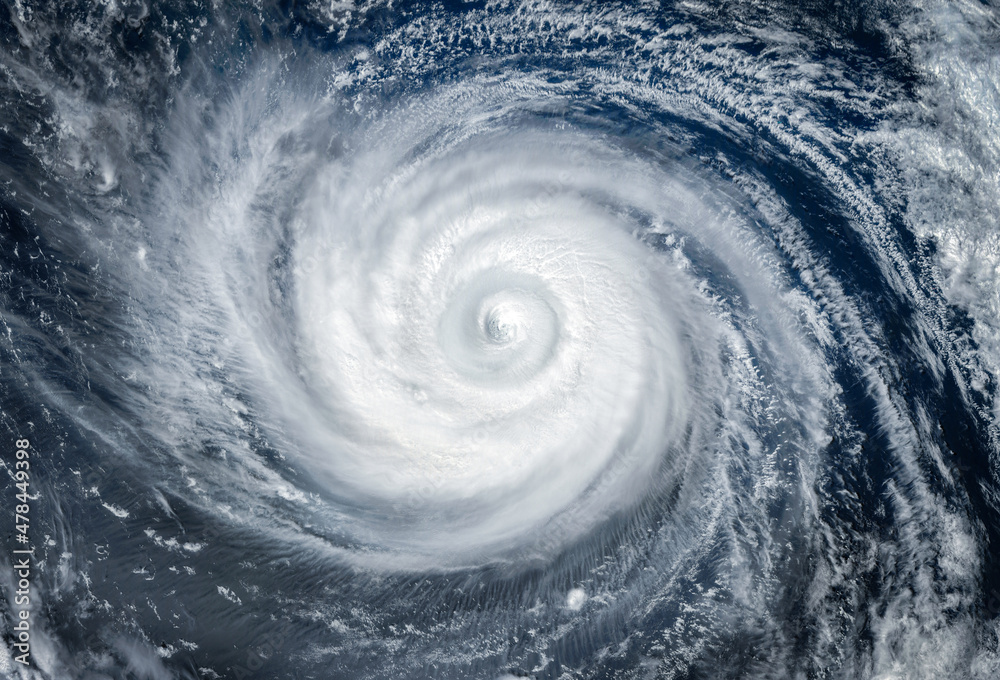
Vietnam is highly vulnerable to climate change because of its long coastline and low-lying river deltas. Rising sea levels, flooding, stronger typhoons, and saltwater intrusion threaten cities, farms, and homes.
The government has created climate adaptation plans, improved flood management systems, invested in renewable energy, and pledged to reach net-zero carbon emissions by 2050.
Deforestation
Forests in Vietnam have been cleared for agriculture, construction, and logging. This causes soil erosion, habitat loss, and reduced biodiversity.
Vietnam has launched large-scale forest restoration programs, including expanding coastal mangrove forests and committing to halt deforestation by 2030.

Air Pollution
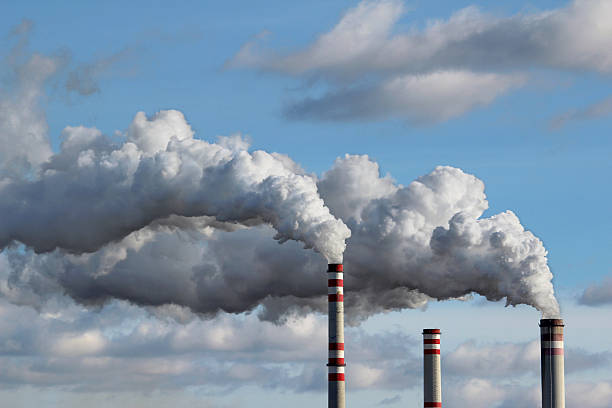
Major cities like Hanoi and Ho Chi Minh City struggle with air pollution caused by vehicles, factories, and coal power plants. Poor air quality affects health and productivity.
The country is expanding renewable energy, encouraging cleaner transportation, and considering carbon taxes and green energy policies.
Water Pollution
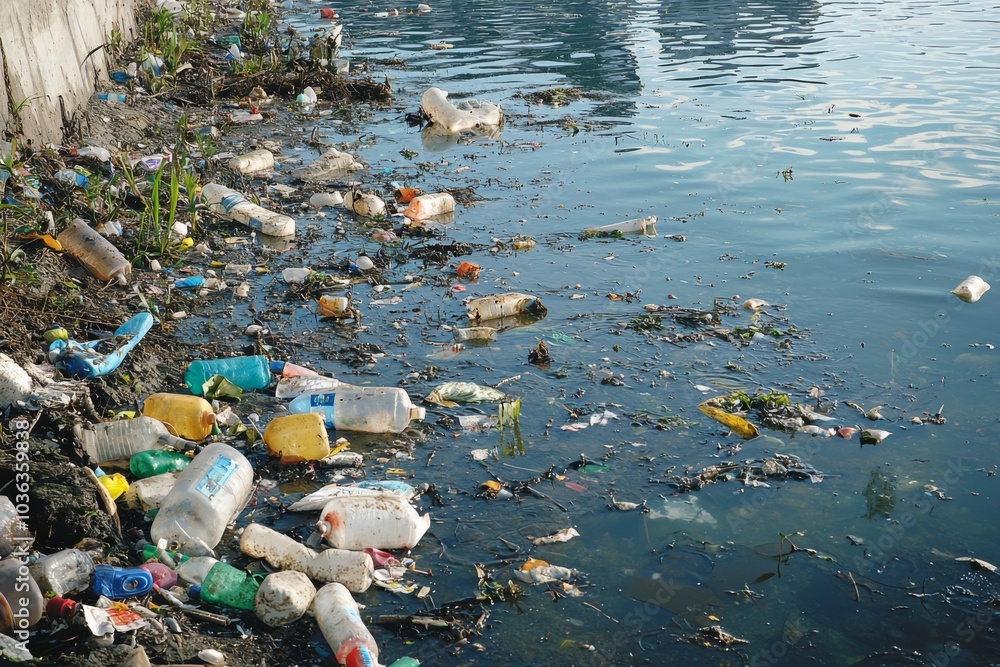
Rivers, lakes, and coastal waters are polluted by industrial waste, sewage, and agricultural runoff. This harms aquatic ecosystems and public health.
Vietnam has strengthened environmental protection laws and promoted cleaner industrial practices and sustainable agriculture.
Agricultural Emissions and Land Degradation
Rice farming and livestock production create methane emissions and contribute to environmental degradation. Climate change also damages farmland through drought and saltwater intrusion.
Vietnam is using improved rice irrigation techniques, methane-reduction farming methods, and sustainable agricultural programs with international climate organizations.
